
C.V.N.E.: Five Generations of Rioja from Haro's Station District
In 1879 the Basque brothers Eusebio and Raimundo Real de Asúa founded Compañía Vinícola del Norte de España in Haro, in a cluster of new cellars built beside the railway that had just reached the town. The neighbourhood, the Barrio de la Estación, still holds the greatest concentration of century-old wineries anywhere, and C.V.N.E. has never left it. The company remains in the hands of the founding family, now in its fifth generation, and the misreading of the V in its initials as a U gave the world the name most drinkers actually use: Cune.
C.V.N.E. is chosen by people who want Rioja with a documented address rather than a general one: a named plot, a named cellar, a house that has been ageing wine in the same place since the 1880s.
Discover the Unparalleled Quality of C.V.N.E.
Rioja is defined as much by patience as by fruit, and C.V.N.E. built its reputation on the part of the process that happens after fermentation. The house works across Rioja Alta and Rioja Alavesa, with sister estates in Ribera del Duero, Rueda, Valdeorras, Rías Baixas and Penedès, but the reference point is always the Haro cellar and the way wine behaves in it: cool, slow, in barrel and then in bottle.
The result is a range with unusual vertical reach. At one end sits Cune Selección Limitada, an approachable Tempranillo built for the table. At the other sits La Virgen, drawn from two hectares of forty-year-old vines. Both carry the same DOCa Rioja seal, Spain’s highest appellation tier, and both come out of a technical department led by the same person.
What makes C.V.N.E. special
- Founded in 1879 in Haro’s Barrio de la Estación and still owned and run by the Real de Asúa family line, now in its fifth generation.
- A vaulted barrel hall in Haro built between 1890 and 1909, its steel trusses attributed to Gustave Eiffel, which carry the roof without interior columns.
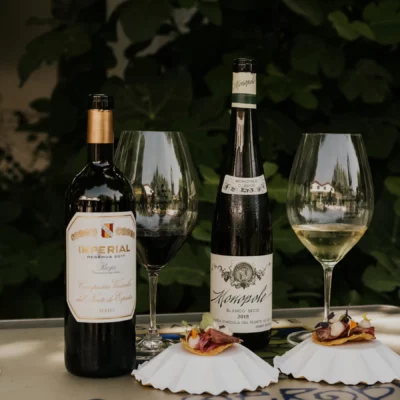
- Monopole, launched in 1915, is the oldest registered white wine brand in Spain.
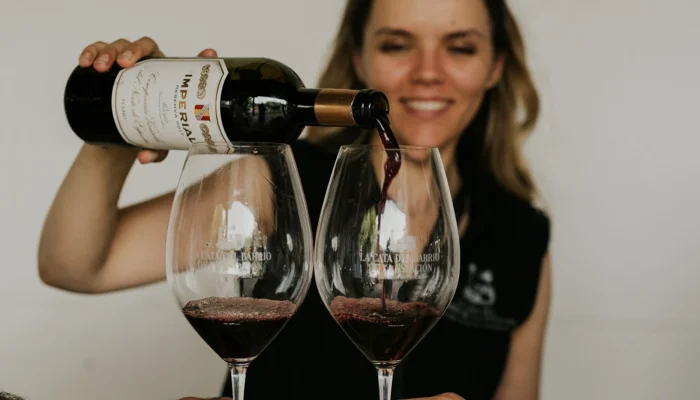
- Imperial Gran Reserva 2004 was named Wine Spectator’s Wine of the Year in 2013, the first Spanish wine to top that list.
- Viñedos del Contino, acquired in 1973, was Rioja’s first single-vineyard estate.
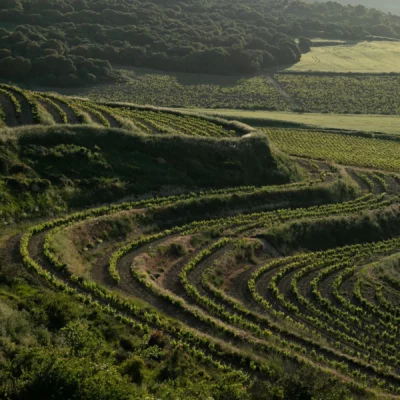
Rioja divides into three subzones, and C.V.N.E. draws on two. Rioja Alta, around Haro, gives cooler nights and wines built for the long haul. Rioja Alavesa, on the Álava side of the Ebro beneath the Sierra de Toloño, sits on clay and limestone and tends to produce a rounder, more aromatic Tempranillo.
The People Behind C.V.N.E.
Eusebio and Raimundo Real de Asúa, brothers from Bilbao, founded the company in Haro, La Rioja, in 1879, joined by the Riojan Isidro Corcuera. Their descendants still control it: Víctor Urrutia is chief executive and his sister María Urrutia Ybarra is marketing director and a board member, both fifth generation.
Technical direction across the whole group belongs to María Larrea, who trained in viticulture and oenology in several European regions and joined C.V.N.E. in 1991. She works with a team of estate winemakers, among them Eva de Benito at Viña Real, Jorge Navascués at Contino and Sara Juan at Bela in Ribera del Duero.
How C.V.N.E. began
The timing was not accidental. Oidium in 1863 and phylloxera from 1867 had wrecked French vineyards, and Bordeaux merchants came south looking for wine to replace what they had lost. The railway had reached Haro, and a row of cellars went up alongside it so that barrels could go straight from the vat house to the freight wagon. R. López de Heredia arrived in 1877 and C.V.N.E. in 1879.
Recognition came quickly: medals at Antwerp in 1885, Barcelona in 1888, Paris in 1889 and Antwerp again in 1890. Monopole followed in 1915, and Imperial and Viña Real both in 1920, Imperial named after an English bottle measure and made only in vintages the house considers worth declaring.
Ageing, and the cellar that made it possible
Between 1890 and 1909 C.V.N.E. built the barrel hall that visitors still come to see, a long open room whose riveted steel trusses carry the roof without a single interior column. The design is attributed to Gustave Eiffel. The effect was practical: barrels could be moved, stacked and tasted anywhere in the space.
That preoccupation with the ageing cellar runs through the range. Cune Selección Limitada Crianza spends its months in oak before release at around 13.5% alcohol. Bakeder takes ten months in French oak. La Virgen finishes malolactic fermentation in French barrel with regular bâtonnage before twelve months of ageing. In Ribera del Duero, Finca Vallejo Crianza sees twelve months in a mix of American and French oak.
Why this matters
- Ownership has stayed with one family for five generations, which keeps release decisions with people who answer for them.
- The Haro cellar has been in continuous use since the 1880s, so the ageing conditions are known rather than modelled.
- Single-plot bottlings such as La Virgen name the vineyard, its size, its soil and the age of its vines.
- One technical director oversees production across every estate in the group.
- Imperial is declared only in vintages the house rates highly, rather than made every year.
“C.V.N.E. is a Rioja house that has spent a century and a half in the same street, ageing wine in the same cellar, under the same family.”
At the Table: How C.V.N.E. Is Drunk in Rioja
C.V.N.E. wines belong to a regional food culture built on lamb, beef, pulses and wood fire. In Haro and Logroño they arrive with grilled chops over vine cuttings, with peppers, with the small plates that line the Calle Laurel, and the bottle is opened for a table rather than for a glass.
- Tempranillo grown in Rioja Alta and Rioja Alavesa, under the DOCa Rioja appellation
- Clay and limestone soils, with plots between roughly 550 and 600 metres at Viña Real
- Ageing in French and American oak, then further time in bottle before release
- Served at around 16 to 18°C, with the older bottlings given time in the glass
- Poured with roast lamb, aged sheep’s cheese and slow-cooked dishes rather than sipped alone
The house style is measured rather than loud: ripe red fruit, cedar and spice from the barrel, and tannins that have been given time to settle. It is Rioja made to sit under food.
C.V.N.E.: What Sets Station District Rioja Apart
The variables that matter in Rioja are the subzone, the plot, the variety, the vessel and the length of ageing. C.V.N.E. is specific about each of them, and the specificity is what separates one wine in the range from the next.
| Quality | Description |
|---|---|
| Terroir | Rioja Alta around Haro and Rioja Alavesa beneath the Sierra de Toloño, on clay and limestone soils with low organic matter. The Viña Real plots of San Ginés and Castejones lie at 550 to 600 metres. |
| Variety | Tempranillo dominates, in Rioja and as Tinta del País in Ribera del Duero. Monopole is made from Viura, and the group's Rueda white is 100% Verdejo. |
| Vinification | Hand selection in the vineyard and again at the winery for the top plots. La Virgen ferments with indigenous yeasts at around 28°C in small vats with daily punching down. |
| Ageing | French oak for Bakeder (ten months) and La Virgen (twelve months); a blend of French and American oak for Finca Vallejo Crianza; shorter time in barrel for the Roble. |
| Appellation | DOCa Rioja, the qualified designation held by only two Spanish regions, alongside DO Ribera del Duero and DO Rueda for the group's Castilian wines. |
Bakeder illustrates the approach. It comes from two Viña Real vineyards totalling 8.78 hectares, planted with vines averaging around thirty years, and it is bottled as a single expression of that ground rather than blended away.
Serving and Pairing C.V.N.E. Wines
Rioja's affinity with roasted and grilled meat is not a marketing invention: it comes from centuries of the two being produced in the same valleys. The pairings below follow that logic, and the serving notes matter as much as the food.
| Pairing | Why it works |
|---|---|
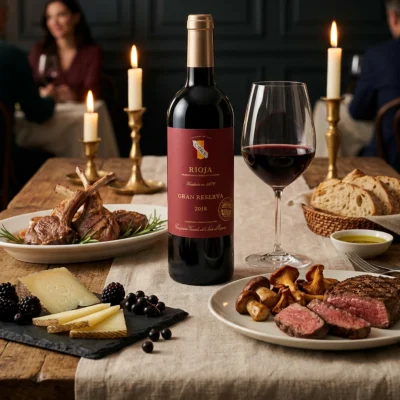
| Roast lamb and grilled chops | The classic Riojan match. Tempranillo's acidity and fine tannin cut through fat, while the barrel spice picks up the char from the fire. |
| Beef, veal and poultry | The producer's own suggestion for Cune Selección Limitada. Its medium weight suits roasted and braised meat without overwhelming it. |
| Aged sheep's cheese and cured meats | Salt and concentration meet the wine's fruit and cedar notes. A natural fit for a Rioja table laid with charcuterie. |
| Serving temperature | Around 16 to 18°C. Cooler than a warm room, which keeps the fruit defined and stops the alcohol dominating. |
| Decanting and cellaring | Single-plot bottlings such as La Virgen and Bakeder reward an hour in a decanter, and both are made with bottle age in mind. Store on the side, cool, dark and still. |
The magnum formats, La Virgen at 1500ml and Finca Vallejo Roble in its wooden box, exist for tables of eight or ten and for cellars, since wine in magnum matures more slowly than in a standard bottle.
Sustainable and Ethical Practices at C.V.N.E.
At C.V.N.E., the long view is structural rather than aspirational. A family business that has held the same cellar for five generations plans in decades, and the vineyards that feed the top bottlings are owned and farmed by the company rather than bought in each autumn.
Night harvesting for the Rueda white protects the fruit from heat before it reaches the press, and hand picking with double selection is used where the plot justifies it. Gravity has been used in place of pumping since El Pilar was built in 1989, and the Viña Real winery completed in 2004 was designed on the same principle, with fruit moving downwards through the building rather than being pushed through pipes.
Their approach
C.V.N.E. runs eight wineries across Spain’s principal wine regions, from the founding cellar in Haro to Viña Real in Laguardia, Viñedos del Contino in Rioja Alavesa, Bela in Ribera del Duero, Roger Goulart in Penedès, Virgen del Galir in Valdeorras and La Val in Rías Baixas, and it applies one technical department to all of them under María Larrea, who has been with the company since 1991. Bela, the Ribera del Duero estate, is named after Sofía Real de Asúa, daughter of one of the founders, known as Bela in the family and great-grandmother of the current managers; the three stars on the label stand for her and her siblings Áurea and Ramón. That habit of naming things after people rather than concepts is a fair guide to how the company thinks: Contino has been kept as a single estate since 1973, Imperial is declared only in vintages that merit it, and the Haro barrel hall built between 1890 and 1909 is still doing the job it was designed for.
Learn more about C.V.N.E.
Award-Winning Rioja: Wine Spectator's Wine of the Year
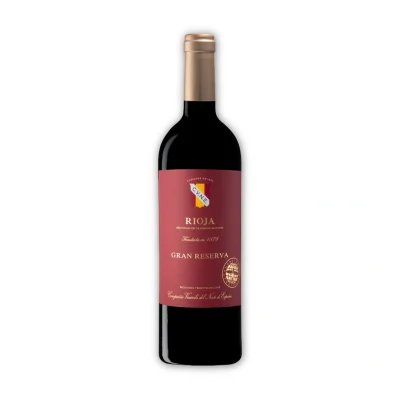
In 2013, C.V.N.E. Imperial Gran Reserva 2004 was named number one in Wine Spectator’s Top 100, the first Spanish wine ever to take that position. Imperial had been made since 1920 and only in vintages the house judged worth declaring, so the recognition landed on a label that had spent ninety years being deliberately scarce. The group’s more recent bottlings have continued to draw high critic scores, among them Bakeder, rated 93 points by both James Suckling and Tim Atkin, and La Virgen, which reached 97 points from James Suckling.
Explore the C.V.N.E. Collection
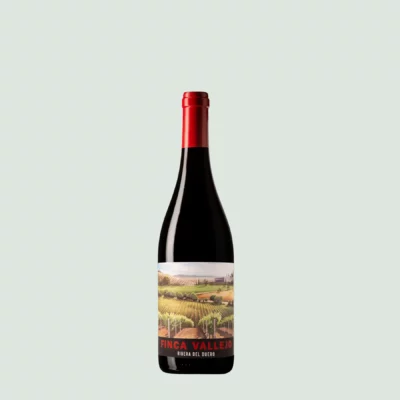
Spanish Wine Finca Vallejo Roble 2022 Magnum | C.V.N.E.
Magnum Spanish Red Wine from Ribera del Duero 2022
58,00 €1.5L / 50.72 fl oz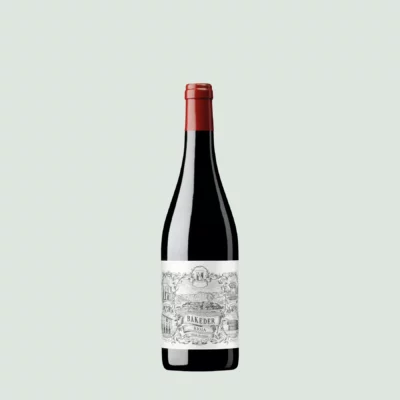
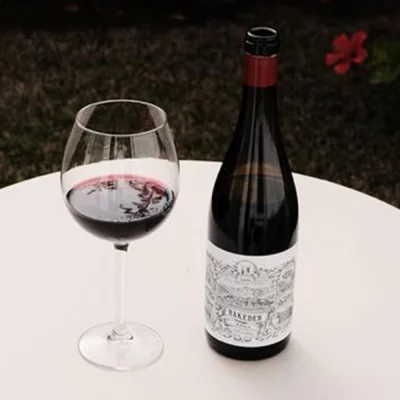
Spanish Rioja wine Bakeder | C.V.N.E.
2021 Spanish Red Wine from Laguardia
Original price was: 60,00 €.45,00 €Current price is: 45,00 €.750ml / 25.36 fl oz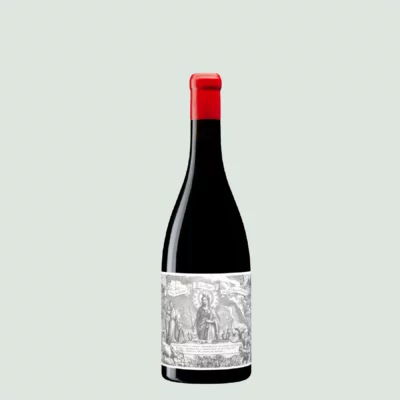
Tempranillo Rioja Wine La Virgen AKA Pagos de Viña Real | C.V.N.E.
2021 Spanish Red Wine from Laguardia
Original price was: 185,00 €.155,00 €Current price is: 155,00 €.1500 ml / 50.72 fl oz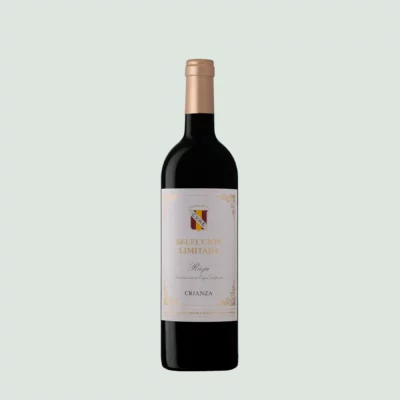
Crianza Wine Selección Limitada Rioja | C.V.N.E.
2021 Limited Edition Spanish red wine
Original price was: 25,00 €.19,50 €Current price is: 19,50 €.750 ml / 25.36 fl oz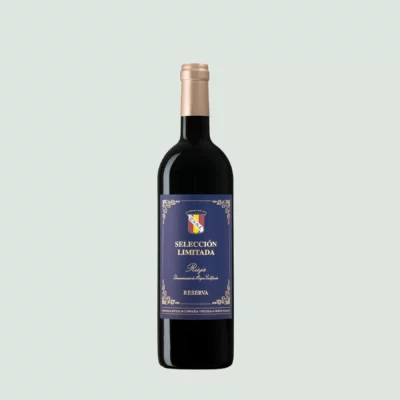
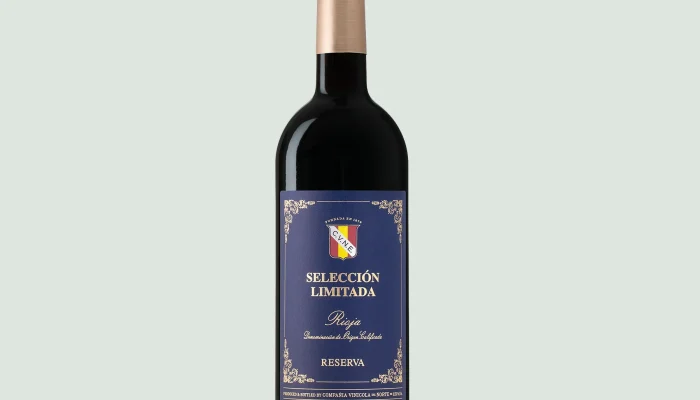
CUNE Selección Limitada Rioja Reserva Tempranillo | C.V.N.E.
2020 Limited Edition Spanish red wine
Original price was: 42,00 €.33,00 €Current price is: 33,00 €.750 ml / 25.36 fl oz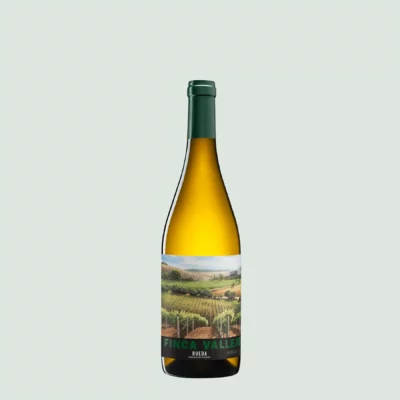
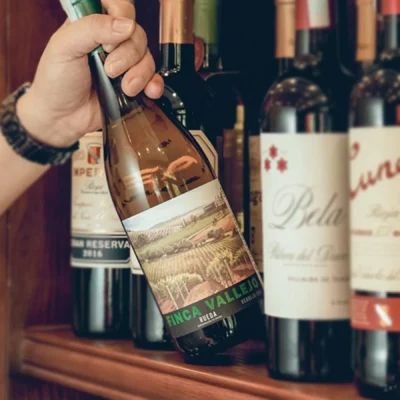
Spanish White Wine Finca Vallejo Rueda | C.V.N.E.
From the heart of Rueda
21,00 €750 ml / 25.36 fl oz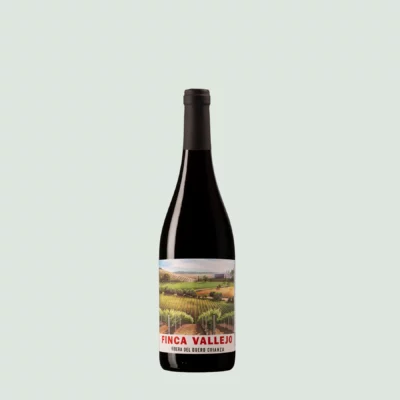
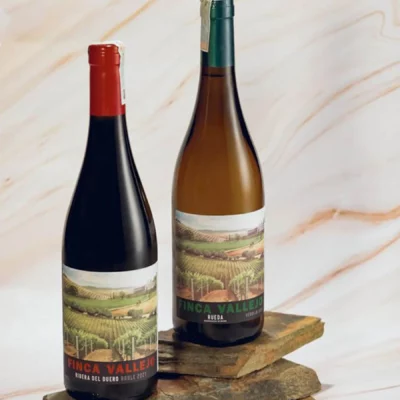
Spanish Red Wine Finca Vallejo Crianza | C.V.N.E.
Spanish Red Wine from Ribera del Duero 2020
Original price was: 40,00 €.32,00 €Current price is: 32,00 €.750 ml / 25.36 fl ozFrequently Asked Questions
Frequently Asked Questions About C.V.N.E.
What does C.V.N.E. stand for?
Compañía Vinícola del Norte de España, founded in Haro in 1879 by the brothers Eusebio and Raimundo Real de Asúa with the Riojan Isidro Corcuera. A printer's misreading of the V as a U produced the Cune name that appears on many of the labels, and it stuck.
Where are the wines made?
The founding cellar is in the Barrio de la Estación in Haro, Rioja Alta. Viña Real is at Laguardia in Rioja Alavesa, and Viñedos del Contino is also in Rioja Alavesa. The group's Ribera del Duero and Rueda wines are made at Bela, in Villalba de Duero, Burgos.
Which grape varieties are used?
Tempranillo is the backbone in Rioja, and the same variety appears as Tinta del País in Ribera del Duero. Monopole, the house white launched in 1915, is made from Viura, and Finca Vallejo Rueda is 100% Verdejo.
What is La Virgen?
A single-plot Tempranillo, also known as Pagos de Viña Real, from a two-hectare parcel of forty-year-old vines at San Cristóbal in Rioja Alavesa, on clay soils scattered with river pebbles. It ferments with indigenous yeasts and ages twelve months in French oak.
How should these wines be served?
Around 16 to 18°C. The single-plot reds benefit from a decanter and an hour of air, and they pair naturally with roast lamb, beef and aged sheep's cheese. Store bottles on their side somewhere cool, dark and free from vibration.
What is the Eiffel cellar?
A barrel hall built at the Haro winery between 1890 and 1909, whose steel trusses hold up the roof without interior columns. The design is attributed to Gustave Eiffel. It is still in use, and it can be visited.
Our Content

The Art of Giving Well: Luxury Mediterranean Gifts for the Health-Conscious Gourmet


Premium Mediterranean Olive Oils & Gourmet Products | Gourmet Groceries

5+1 Italian Ingredients (and How to Choose Mediterranean Premium Quality)

What Is High-Phenolic Olive Oil, and Why Should You Care?

Why Natural Food Is Better Than Supplements

What Blue Zones Teach Us About Food, Community, and the Way We Live

What To Eat After Fasting, The Mediterranean Super Breakfast

Celebrating 10 Years of Gourmet Groceries: A Legacy of Quality, Wellness & Healthy Living

A Guide to High-Phenolic Medicinal Olive Oil

Corporate Gifting Redefined: Luxury Christmas Gifts & Premium Hampers from Cyprus to the World

Atsas Olive Oil: Our Visit to Cyprus’ Award-Winning Organic Olive Farm

Why the Mediterranean Diet Is Good for Your Heart
The Gourmet Groceries Philosophy
Supporting local farms
At Gourmet Groceries, we are a small, family-run business. Our dedication remains to supporting local farms and delivering the finest products to our customers. We partner with producers who share our values, helping preserve traditional farming practices and promoting environmental responsibility.
Our commitment to quality
Our mission is to bring you exceptional, ethically sourced, and delicious products while supporting local communities and protecting agricultural heritage. We select every product we offer based on strict quality standards. With this practice we ensure that you get both the taste and nutrition you deserve.
When you choose Gourmet Groceries, you’re not just buying outstanding products. You’re also helping us support sustainable farming and local communities.
Learn more here.