Blog
What are the health benefits of combining Greek yogurt and honey?


Long before wellness trends discovered it, the Mediterranean table already knew: thick yogurt finished with a ribbon of raw honey is one of the simplest, most complete foods you can eat. It takes thirty seconds to prepare and needs no explanation to enjoy. But there is real substance behind the simplicity, including protein, natural sugars, live cultures, and a nutrient profile that has kept this pairing on breakfast tables from Crete to Ikaria for generations.
In this guide
Why Greek Yogurt and Honey Belong Together
Together, Greek yogurt and honey pair a concentrated source of protein with an easily digestible carbohydrate, a combination that supports steady energy and helps the body recover after exercise. Both also carry naturally occurring bacterial cultures that support digestion, though by different routes: yogurt through fermentation, raw honey through the bacteria bees carry into the hive. The result is a food that works equally well as a post-workout snack, a light dessert, or simply a way to start the day without reaching for anything processed.
What Honey Brings to the Bowl
Honey has sweetened Mediterranean kitchens since long before cane sugar arrived, and the type matters. Raw honey is harvested straight from the comb and never heated, which preserves the trace enzymes, pollen and bacterial cultures that heat-treated, filtered honey largely loses. Commonly cited nutrition figures put honey at roughly 17 percent water, 31 percent glucose and 38 percent fructose, with small amounts of vitamin C, B vitamins, calcium, iron and potassium rounding out the profile. A single tablespoon provides around 64 calories and 17 grams of carbohydrate, a modest amount of natural sugar rather than the empty sweetness of table sugar. It is also why we work directly with small beekeeping families for our own raw Greek honey, rather than sourcing anything filtered or blended.
What Greek Yogurt Brings to the Table
Greek yogurt earns its place for different reasons. It is strained to remove excess whey, which concentrates the protein, useful for muscle repair and for staying fuller for longer. It is also a meaningful source of calcium, supporting bone health, and its live cultures, typically including Lactobacillus strains, contribute to a healthy gut microbiome and can ease digestion for many people. Choosing a plain, unsweetened variety matters here: many flavoured yogurts carry as much added sugar as the honey itself, which defeats the purpose of the pairing.
Energy, Recovery and Gut Health, Together
Combined, the two ingredients do more than the sum of their parts. Yogurt’s protein alongside honey’s fast-digesting carbohydrate is a pairing familiar to anyone who trains: protein for muscle repair, carbohydrate to replenish glycogen, together supporting quicker recovery after exercise. On the gut side, raw honey’s naturally occurring Lactobacillus kunkeei, a bacterial strain bees carry from flower to hive, sits alongside yogurt’s own probiotic cultures, giving the gut two different, complementary sources of beneficial bacteria in a single bowl.
Beyond the Bowl: Honey and Yogurt for the Skin
The same two ingredients have a long history outside the kitchen. Mixed together, yogurt’s lactic acid offers a gentle, natural exfoliation, while honey’s antibacterial and anti-inflammatory properties are part of why it has remained a folk remedy for blemish-prone skin. Some people use a light honey-yogurt mask as a soothing, non-drying alternative to harsher treatments, though results vary from person to person and this isn’t a substitute for a dermatologist’s advice on persistent skin concerns. Honey’s antioxidant content is also often credited with helping protect skin from everyday environmental stress. To try it: stir two tablespoons of plain yogurt with a teaspoon of raw honey, apply to clean, dry skin, leave for ten minutes, then rinse with warm water.
A Mediterranean Diet Staple, From Ikaria to Everyday Table
Neither ingredient is a modern discovery in this part of the world. Both are Mediterranean diet staples, and nowhere more so than on Ikaria, the Blue Zone island where the traditional diet has long paired dairy, honey, olive oil and nuts into one of the region’s oldest breakfasts. We covered that exact combination, yogurt, raw honey, high-phenolic olive oil and a handful of nuts, in our piece on the Mediterranean breakfast, still one of the simplest ways to start the day the way Ikaria does.
How to Enjoy It
A few ways worth trying:
- Straight, with a drizzle of raw honey over cold Greek yogurt
- Layered with fresh figs, walnuts, or seasonal fruit for texture
- Stirred into porridge or granola in place of refined sugar
- Alongside a spoonful of high-phenolic olive oil, for the full Ikarian breakfast
However you take it, the pairing rewards simplicity. Good yogurt, real honey, and a little patience are really all it needs.
Explore our raw Greek honey collection, sourced directly from small beekeeping families, unfiltered and unheated.
Explore our finest selection of honeys!
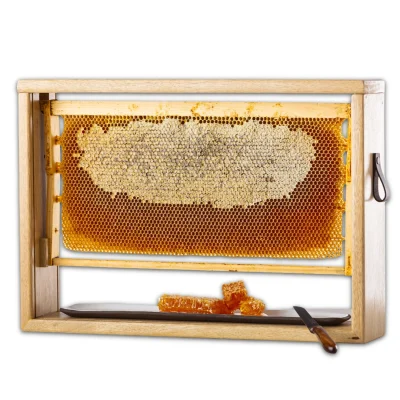
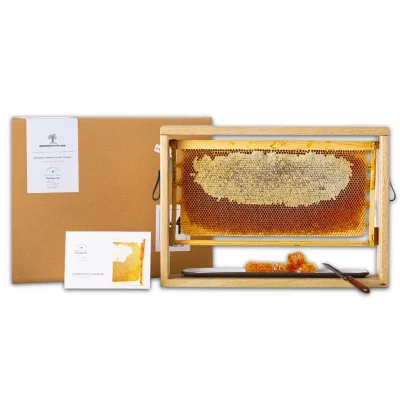
Raw Paliouri Honeycomb in Wooden Frame – Limited Edition | Papadopoulos Beekeeper Family
Only 50 available, Raw Honey Comb
Original price was: 545,00 €.365,00 €Current price is: 365,00 €.2.5kg /88.18 oz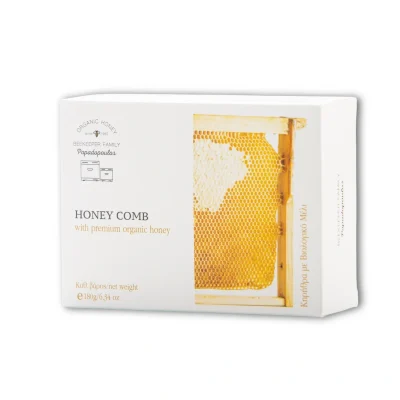
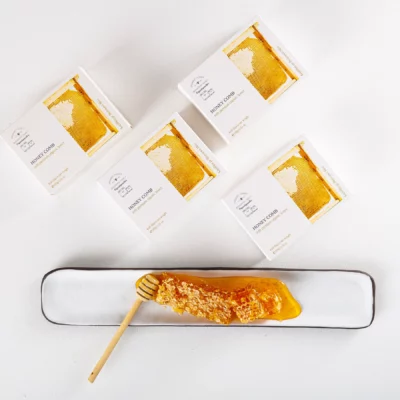
Organic Honey Comb Paliouri | Beekeeper Family Papadopoulos
Raw, unprocessed, rich in flavor
35,00 €180g/6.34 oz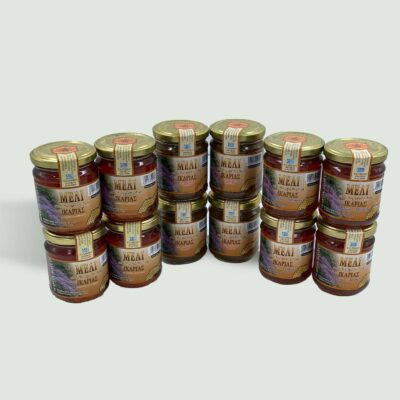
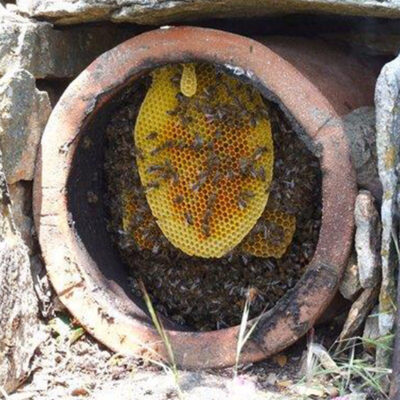
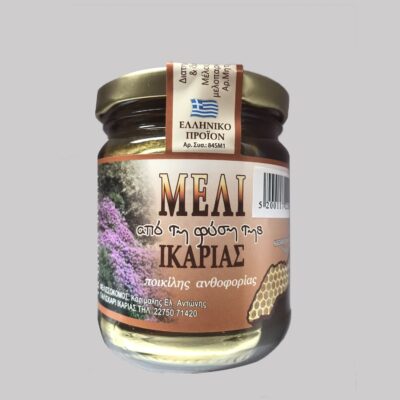
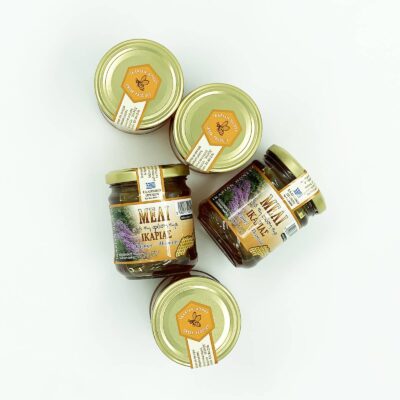
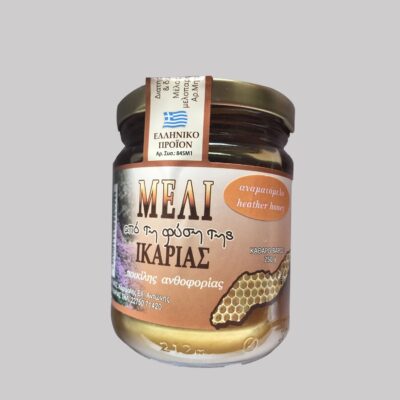
Ikaria Bio Honey Exclusive Selection 20 Jars
Mix & Match wholesale price box offer
Original price was: 760,00 € – 840,00 €Price range: 760,00 € through 840,00 €. Price range: 528,00 € through 576,00 €Current price is: 528,00 € – 576,00 €Price range: 528,00 € through 576,00 €.20x250gr/8.45 fl oz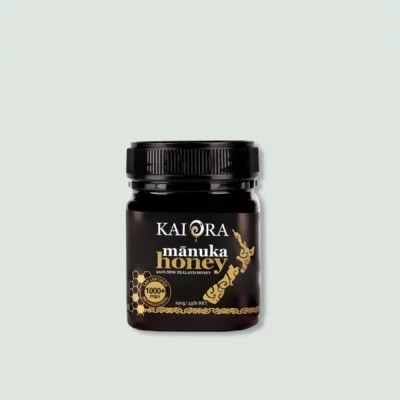
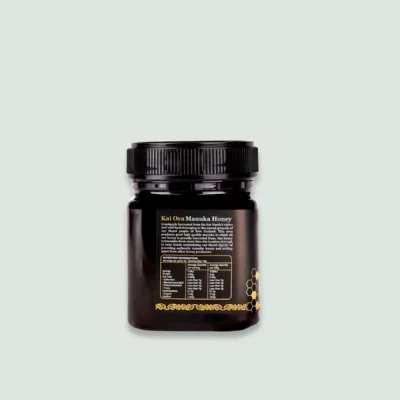
Raw Manuka Honey MH1000+ Black Label | Kai Ora
Highest Worldwide MH 1000+/ MGO Rich - Antibacterial - Wildcrafted
Original price was: 220,00 €.159,00 €Current price is: 159,00 €.250g / 8.81oz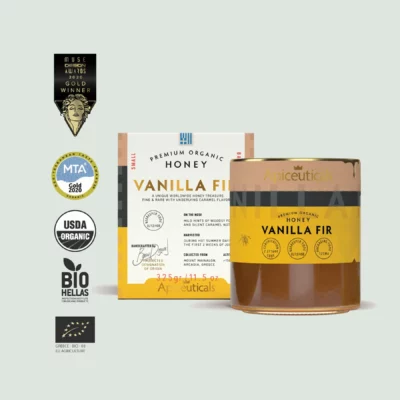
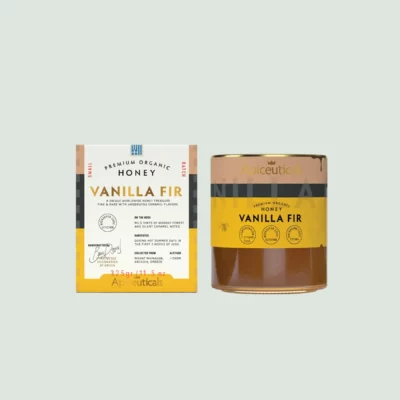
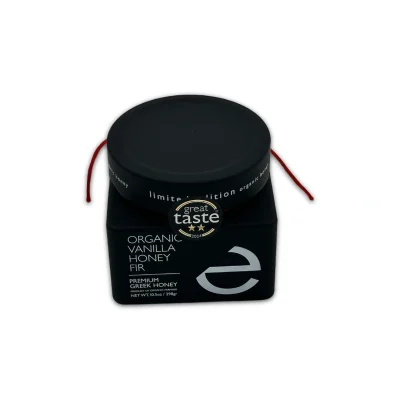
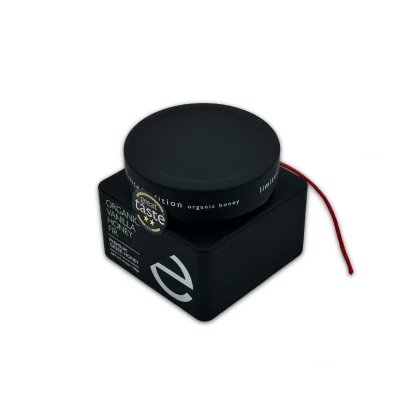
Apiceuticals Premium Organic Vanilla Fir PDO Honey 325gr / 11.05 oz
100% Pure, Sustainably Sourced, Made in Greece
Original price was: 75,00 €.69,00 €Current price is: 69,00 €.